



24 Hour WhatsApp Drain Clearance
Drain Clearance Milton Keynes


M1 Drainage Service Based In Milton Keynes
M1 Drainage Milton Keynes is Fully Equipped To Tackle all Drain Blockages In Milton Keynes. We use eco friendly Drain Clearance technologies to help reduce the carbon foot print. Call Us Now To Book Your Drain Clearance In Milton Keynes Now.
Milton Keynes
✳︎
Drain Clearance
✳︎
Milton Keynes ✳︎ Drain Clearance ✳︎

M1 Drainage Service: Milton Keynes Drain Clearance. CCTV Inspections
“I am A Land Lord And Have Used M1 Drainage In Milton Keynes For The Last 8 Years Great Service, Great Price.”
-- Recent ClientDrain Clearance Milton Keynes | M1 Drainage Service
Drain Clearance Milton Keynes – Fast, Reliable Service from M1 Drainage
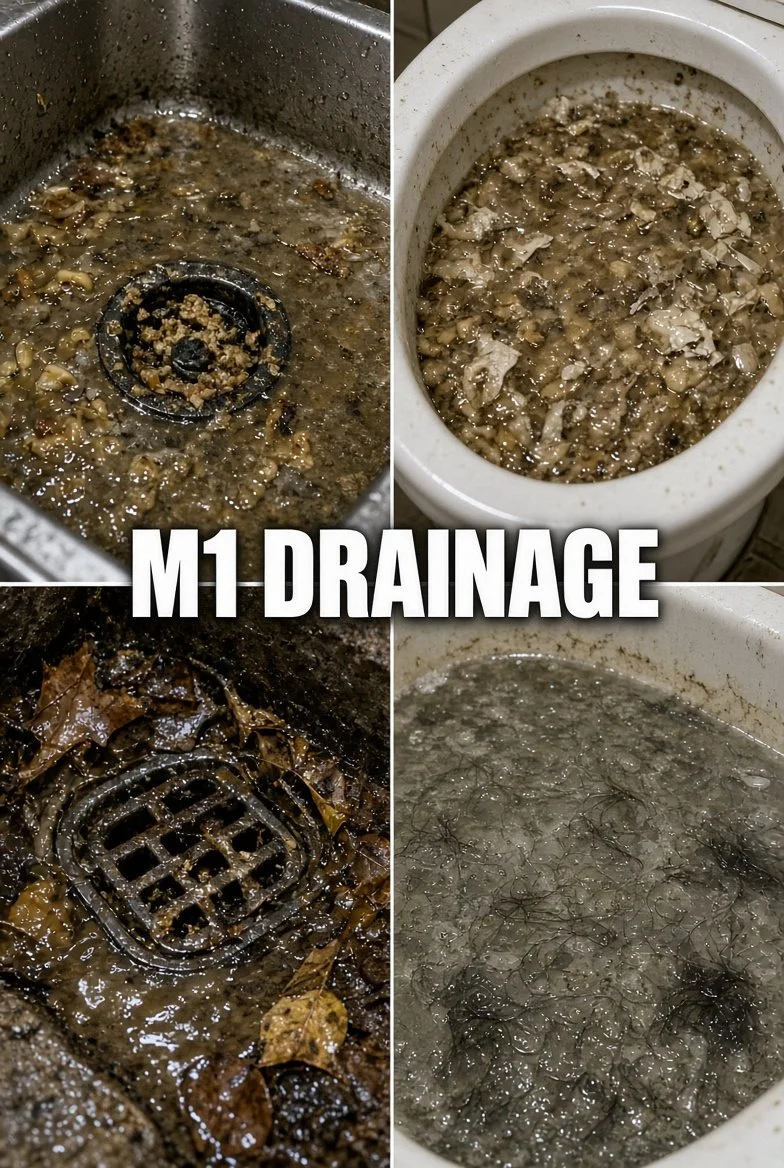
If you’re dealing with slow-running sinks, overflowing gullies or unpleasant smells around your property in Milton Keynes, professional drain clearance Milton Keynes is the quickest way to solve the problem. Blocked drains are a common issue in both homes and businesses across the city – whether caused by grease, food waste, hair, wet wipes or tree roots. Left untreated, a simple blockage can quickly turn into flooding, foul odours and expensive water damage.
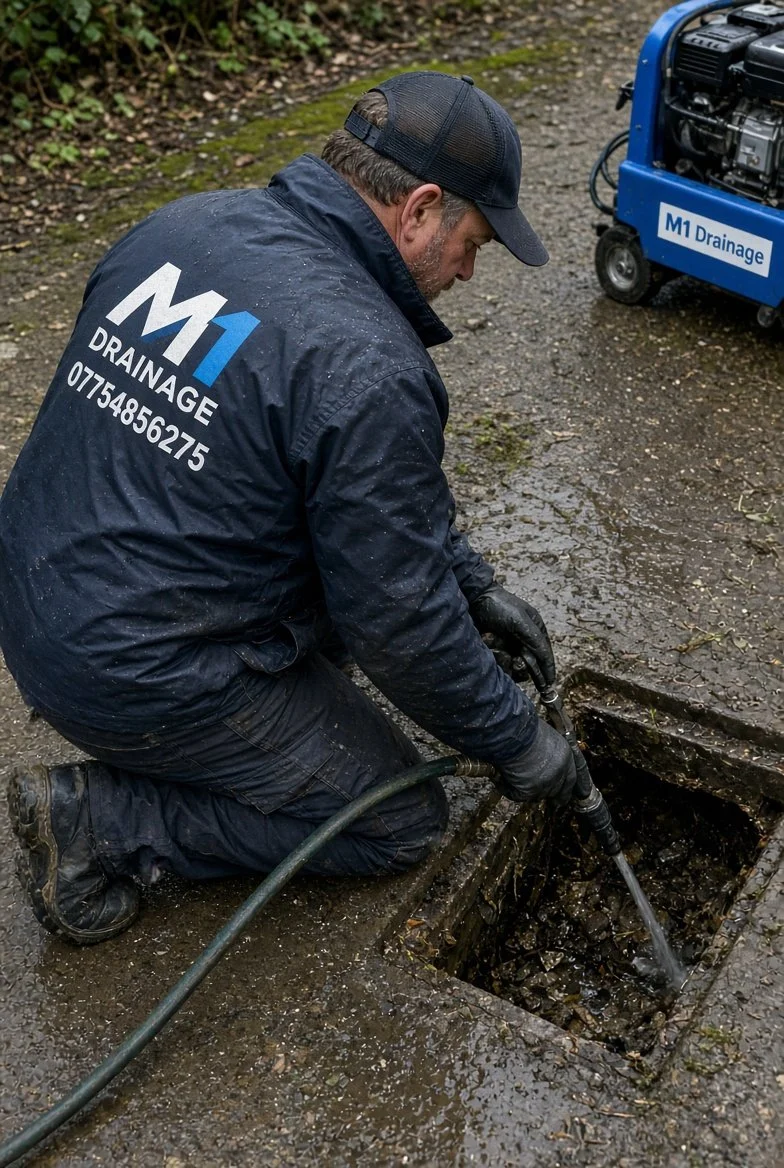
At M1 Drainage, we specialise in fast and effective drain unblocking Milton Keynes and full drain clearance services. Our experienced team uses modern high-pressure jetting equipment and CCTV drain surveys to locate and clear blockages thoroughly, restoring full flow the first time. We cover all areas of Milton Keynes and the surrounding villages, offering same-day and emergency call-outs for residential and commercial customers.
Whether you need blocked drain clearance, kitchen sink unblocking, toilet unblocking or outdoor gully and downpipe clearance, M1 Drainage provides a clean, professional and reliable service. We work with minimal disruption, leave the area tidy, and give honest advice on how to help prevent future blockages. Local homeowners and businesses trust us for prompt response times and lasting results.
Don’t let a blocked drain disrupt your day. Contact M1 Drainage today for expert drain clearance Milton Keynes – we’re ready to help get your drains flowing freely again.
drain clearance Milton Keynes, blocked drains Milton Keynes, drain unblocking Milton Keynes, emergency drain clearance, gully clearance Milton Keynes, CCTV drain survey Milton Keynes
#DrainClearanceMiltonKeynes #BlockedDrainsMK #DrainUnblocking #M1Drainage #MiltonKeynesPlumber #EmergencyDrainClearance #GullyClearance #MKDrainage #LocalDrainService #BlockedDrainHelp
Drain Clearance Within 10 Miles Of Milton Keynes Central. M1 Drainage Milton Keynes Based
Alternative Contact
Complete the form with contextual information relating to Drain Clearance Milton Keynes. We aim to respond within the hour. If Urgent please call number or WhatsApp Messenger above.
Drain Clearance Milton Keynes Areas
Drain clearance Milton Keynes is available across a wide range of neighbourhoods including Bletchley, Fenny Stratford, Water Eaton, Loughton, Wolverton, Stony Stratford, New Bradwell, Bradwell, Shenley Brook End, Shenley Church End, Oldbrook, Fishermead, Netherfield, Coffee Hall, Beanhill, Leadenhall, Emerson Valley, Old Farm Park, Tattenhoe, Tattenhoe Park, Westcroft, Furzton, Heelands, Stantonbury, Bancroft, Monkston, Monkston Park, Woughton on the Green, Simpson, Haversham, Willen, Great Linford, Bolbeck Park, Two Mile Ash, Kingsmead, Middleton, Tongwell, Broughton, Kingston, Walnut Tree, Oakgrove, Campbell Park, Giffard Park, Pineham, Church Green, Kiln Farm, Knowlhill, Southcourt, Putnam, Fullers Slade, Bradwell Common, Downhead Park, Coffee Hall, and the surrounding villages and estates.
Our drain unblocking services cover both domestic and commercial properties, tackling blocked sinks, toilets, showers, soil stacks and outside drains. We use CCTV surveys to diagnose problems, high-pressure water jetting to clear grease, roots and debris, and root-cutting or repair options where needed. Emergency responses, planned maintenance and free inspections are available across Milton Keynes to ensure reliable, long-term results with clear advice on prevention and ongoing care. If you need Drain Clearance in Milton Keynes M1 Drainage Milton Keynes is your best choice.
Drainage engineer 24 hours a day 7 days a week Milton Keynes Fun Facts
Milton Keynes was officially designated as a new town in 1967 and was planned with a grid road system; its wide boulevards and roundabouts are a distinctive feature of the cityscape.
The city is home to more than 6,000 acres of parkland and open space, including linear parks following rivers and floodplains — designed both for recreation and natural drainage.
Milton Keynes has an extensive network of lakes, balancing ponds and flood attenuation basins. These are part of the town’s integrated drainage and flood management system, helping to reduce flood risk by controlling surface water runoff.
The Grand Union Canal runs through the area (notably near Campbell Park), adding to the town’s waterway heritage and offering leisure as well as historic transport significance.
Campbell Park is a purpose-built parkland that sits on a natural ridge and includes designed water features and views across the surrounding area.
The city’s grid of green corridors — often following brooks and drainage channels — was planned to separate neighbourhoods, provide wildlife routes and manage surface water sustainably.
Milton Keynes is known for its public art collection, including the striking “Concrete Cows” sculptures installed in 1978 by artist Liz Leyh; they’ve become an unofficial emblem of the city.
The city centre includes the largest covered shopping centre in Europe at the time of its opening (Central Milton Keynes’ Shopping Centre), which contributed to the town’s rapid commercial growth.
Milton Keynes hosts Red Bull Racing’s headquarters in nearby Milton Keynes, making it a hub for motorsport engineering and technology (this has local economic and infrastructural influence).
In terms of drainage history: older parts of the area relied on natural reed beds and slow, meandering brooks to manage water. As the new town was developed, modern drainage infrastructure — culverts, piped networks and attenuation ponds — were introduced to cope with faster urban runoff.
Many residential developments in and around Milton Keynes now incorporate Sustainable Drainage Systems (SuDS), such as swales, permeable paving and retention ponds, to slow, filter and absorb rainwater rather than sending everything into sewers.
The design emphasis on open spaces and water-sensitive planning helps Milton Keynes be more resilient to heavy rain than many older towns where drainage systems are constrained by historical layouts.
History of Milton Keynes, Newport Pagnell, Towcester, and Woburn.
Milton Keynes began as a bold post‑war project designated in 1967 to relieve housing pressure on London. Built on a grid of new towns, it combined modernist planning with preserved villages and ancient landscapes. Rapid growth transformed former farmland into a major urban centre with a distinctive street-numbering system, extensive parkland, and planned neighbourhoods; it became a city in 2022. While very much a product of 20th‑century planning, Milton Keynes integrates medieval parish churches, Roman roads and historic estates into its contemporary civic fabric.
Newport Pagnell is an older market town on the River Ouse whose recorded history stretches back to the medieval period. It grew from a market charter and its position on coaching and trading routes; the 18th‑ and 19th‑century industries included milling and later, engineering. The town is notable for surviving examples of traditional brick and timber buildings and for its association with the early British motor industry—the nearby Aston Martin factory and related heritage have become part of its modern identity.
Towcester occupies a site of long strategic importance beside Roman Watling Street and was known in Anglo‑Saxon and medieval times as a market and administrative centre. The town’s Roman origins are visible in archaeological remains and its later development as a coaching town on the road between London and the western counties reinforced its role in trade and travel. Towcester’s market, historic streetscape and proximity to racecourse and rural Northamptonshire countryside reflect layers of continuity from Roman, through medieval, to Georgian and Victorian periods.
Woburn is a small Bedfordshire town dominated historically by the Dukes of Bedford and their Woburn Abbey estate. The abbey grounds, landscaped park and the estate’s influence shaped local agriculture, employment and architecture across centuries. Woburn developed as a market town serving the estate and surrounding villages; its picturesque streets, historic inns and later 18th‑ and 19th‑century improvements made it attractive to visitors. The town’s heritage is closely tied to the Abbey, its art collections and designed landscape, which have been central to Woburn’s economy and identity into the present day.
Together these places illustrate a range of English town histories: from ancient Roman and medieval origins (Towcester, Newport Pagnell), through aristocratic estate influence (Woburn), to deliberate 20th‑century urban planning and rapid modern expansion (Milton Keynes), each retaining distinctive local landmarks and layers of historical development.

Milton Keynes In All Its Glory